Why Rodent Prevention Is Essential for Protecting Your Home
Rodent prevention is a proactive approach to protecting your home from rats and mice before infestations begin. Through professional inspections, strategic exclusion, and ongoing monitoring, rodent prevention helps prevent costly damage, reduce health risks, and keep rodents out for good.

Why Rodent Prevention Is Essential for Protecting Your Home
Rodents are more than a nuisance—they are destructive, unsanitary, and capable of causing serious damage to homes if left unchecked. Rats and mice can enter a property through openings as small as a quarter and often go unnoticed until the problem becomes severe. Professional rodent prevention focuses on stopping rodents before they get inside, protecting your home, health, and investment.
Rodents Don't Need an Invitation
Many homeowners assume rodents enter homes because of poor sanitation, but the reality is that rats and mice are opportunistic. They seek warmth, shelter, and food—especially during cooler months or periods of heavy rain. Gaps around doors, utility lines, vents, crawlspaces, and rooflines provide easy access points that rodents exploit.
Without proper exclusion and monitoring, rodents can move in quickly and establish nests inside walls, attics, and crawlspaces.
The Hidden Damage Rodents Cause
Rodents are constant chewers, and their presence can lead to significant structural and electrical damage. They gnaw on wiring, insulation, wood framing, and plumbing materials, increasing the risk of electrical fires and costly repairs. Damage often occurs out of sight, allowing problems to worsen before they are discovered.
Preventive rodent control helps identify vulnerabilities early and protects your home from long-term damage.
Health Risks You Can't Ignore
Rodents contaminate surfaces with urine, droppings, and hair, spreading bacteria and allergens throughout the home. They can trigger asthma, cause respiratory issues, and introduce parasites such as fleas and ticks. Rodent activity in kitchens, pantries, and HVAC systems poses serious health concerns for families.
Rodent prevention reduces these risks by keeping rodents out entirely rather than reacting after an infestation occurs.
Why Traps Alone Aren't Enough
While traps may catch individual rodents, they do nothing to stop new ones from entering. Without sealing entry points and addressing conducive conditions, trapping becomes an ongoing cycle with no long-term solution.
Professional rodent prevention focuses on exclusion, monitoring, and habitat modification—eliminating access points and discouraging rodents from nesting near your home.
A Proactive Approach to Rodent Control
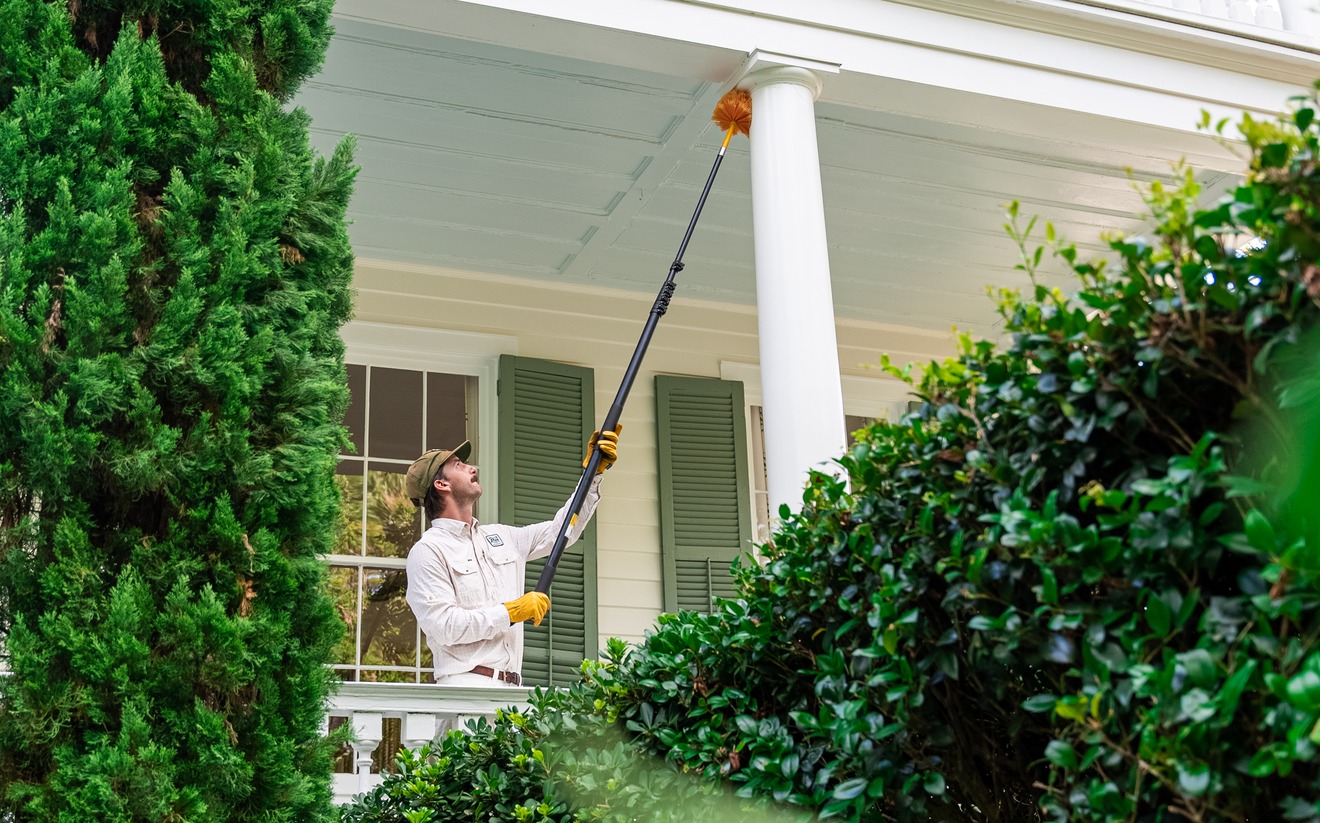
Rodent prevention services begin with a detailed inspection of your home's exterior and interior areas, identifying gaps, vulnerabilities, and signs of activity. Entry points are sealed using durable materials designed to withstand chewing and weather conditions.
Ongoing monitoring ensures that new risks are identified early, providing continuous protection and long-term peace of mind.
Protect Your Home Before Problems Start
Once rodents establish themselves inside a home, removal and cleanup can be time-consuming and expensive. Prevention is far more effective and affordable than dealing with an active infestation.
By investing in professional rodent prevention, homeowners reduce the risk of damage, protect indoor air quality, and avoid surprise infestations.
Rodent Prevention Is a Smart Investment
Rodent prevention is about more than pest control—it's about safeguarding your home, your health, and your comfort. With professional inspections, strategic exclusion, and ongoing monitoring, our Rodent Prevention Program delivers long-term protection that reactive solutions simply can't match. See how we're keeping rodents out of homes across West Ashley and throughout the Lowcountry.