Pest Control on Johns Island, Kiawah, and Seabrook: What's Different in the Sea Islands
Johns Island, Kiawah, and Seabrook face pest pressure shaped by golf course water, maritime forest, and part-time occupancy — here's what changes out on the sea islands.
Pest Control on Johns Island, Kiawah, and Seabrook: What's Different in the Sea Islands
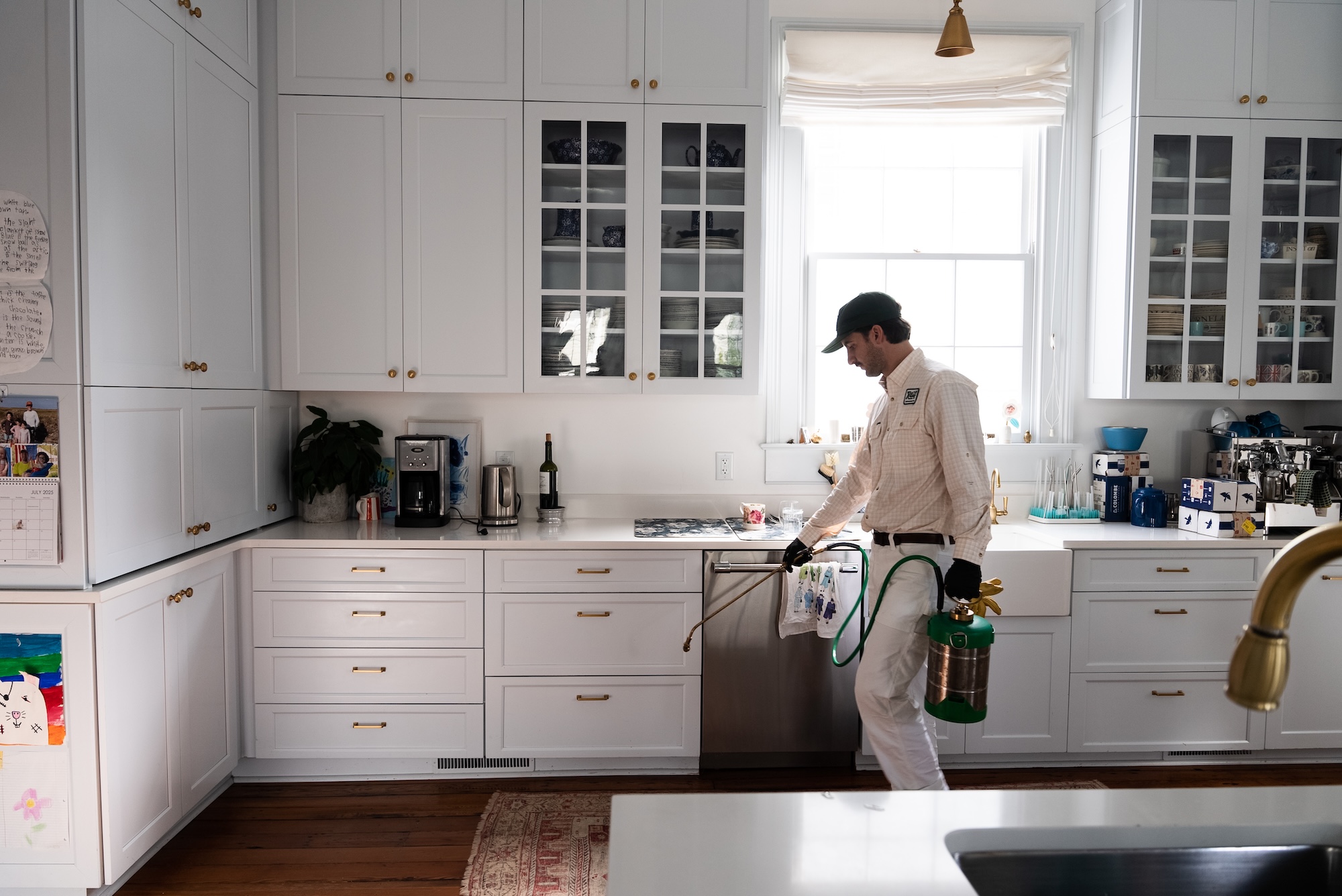
Reif Environmental services Johns Island, Kiawah Island, and Seabrook Island, and pest pressure out here looks different from the peninsula or the mainland Lowcountry. Maritime forest, marsh, golf course water features, and a lot of part-time occupancy all shape what treatment needs to cover.
Golf Course Water Features Keep Mosquito Pressure High
Kiawah and Seabrook's golf courses and ornamental ponds are attractive to look at and just as attractive to mosquitoes, which breed in the standing water along cart paths, lagoons, and water hazards throughout the communities. Properties near a course or lagoon tend to need more consistent mosquito service than a similar home set back from the water.
Johns Island's Rural Edges Bring Fire Ants and Ticks
Johns Island still carries a lot of farmland, cleared lots, and wooded edges alongside its newer developments, and those open, disturbed areas are prime fire ant territory. Tick pressure also tends to run higher on properties that back up to woods or unmaintained fields than on a tightly landscaped in-town lot.
Part-Time Occupancy Changes the Service Window
A lot of homes on Kiawah and Seabrook are used seasonally or on weekends rather than lived in full-time, so pest activity can build up quietly between visits — ants finding an unattended kitchen, or wasps nesting undisturbed under an eave. A quarterly visit scheduled around when the owner is actually in residence catches problems before they've had weeks or months to establish.
Maritime Forest and Marsh Keep Biting Insects Active Longer
The dense maritime forest and marsh that make the sea islands beautiful also hold humidity and biting-insect pressure later into the year than properties farther from the water. No-see-ums and mosquitoes on Johns Island, Kiawah, and Seabrook often stay active into the shoulder seasons when inland properties have already quieted down.
Reif Environmental treats the sea islands as their own environment — not a long-drive version of a mainland route — reach out and we'll build a plan around your property on Johns Island, Kiawah, or Seabrook.


