How Often Do You Really Need Pest Control in Charleston? The Case for Quarterly Service
Charleston homeowners often ask how often pest control is really necessary. Here's why quarterly treatment is the baseline, not a sales minimum, in this climate.
How Often Do You Really Need Pest Control in Charleston? The Case for Quarterly Service
Most Charleston homeowners ask the same question before signing up for ongoing service: how often is actually necessary? In the Lowcountry's climate, quarterly treatment is the baseline that keeps pests from re-establishing between visits, not a sales minimum tacked on by a pest control company.
Why Charleston's Climate Resets the Clock Faster Than Other Regions
Charleston rarely gets cold enough for long enough to meaningfully knock back insect and rodent populations the way a true winter does farther north. Ants, roaches, and mosquitoes can stay active nearly year-round here, which means a treatment schedule built for a four-season climate leaves gaps a Lowcountry home can't afford.
What Happens Between Visits
A single treatment creates a protective barrier that gradually breaks down from rain, irrigation, lawn work, and everyday wear. Most products lose meaningful effectiveness somewhere around the ten-to-twelve-week mark, which is why quarterly timing lines up closely with when protection naturally fades rather than being an arbitrary interval.
When More Frequent Service Makes Sense
Quarterly is the right cadence for most homes, but a few situations call for tighter spacing. Heavy mosquito pressure in peak summer, a property near a recently removed hive or nest, new construction disturbing soil nearby, or active rodent signs can all justify a shorter interval between visits until things settle down.
What a Quarterly Visit Actually Covers
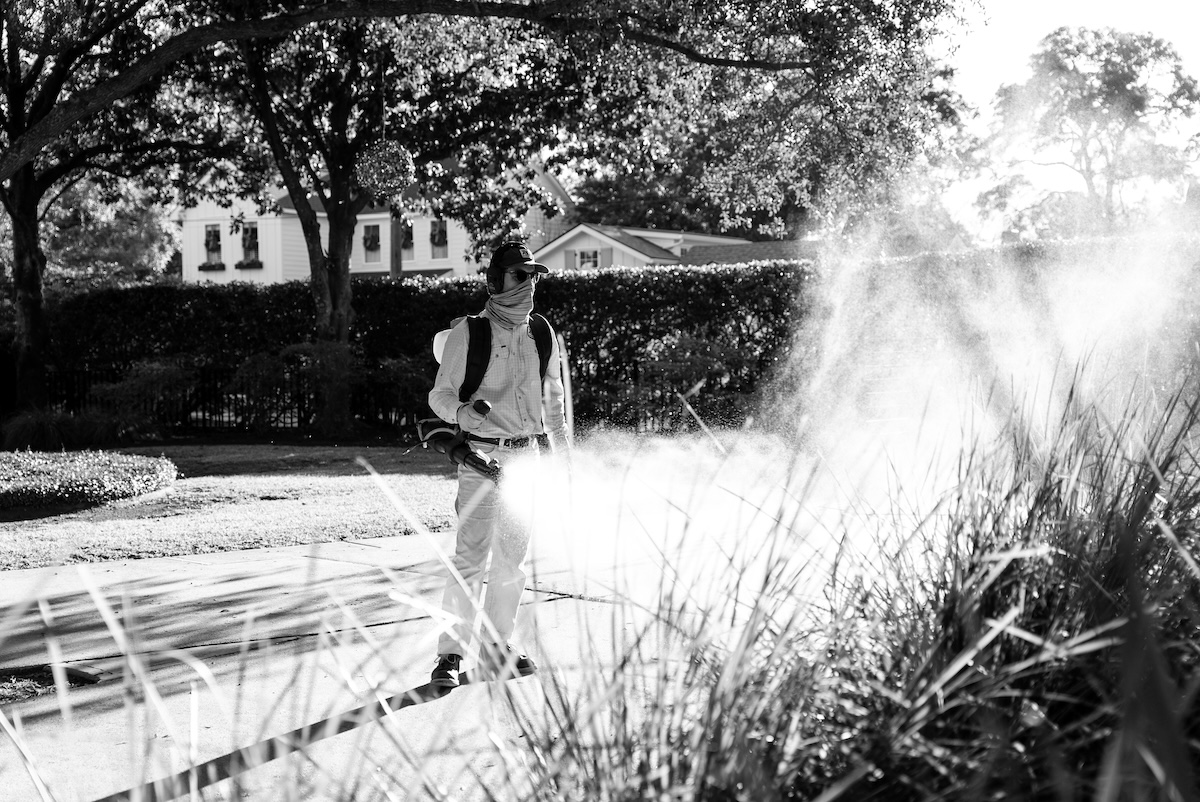
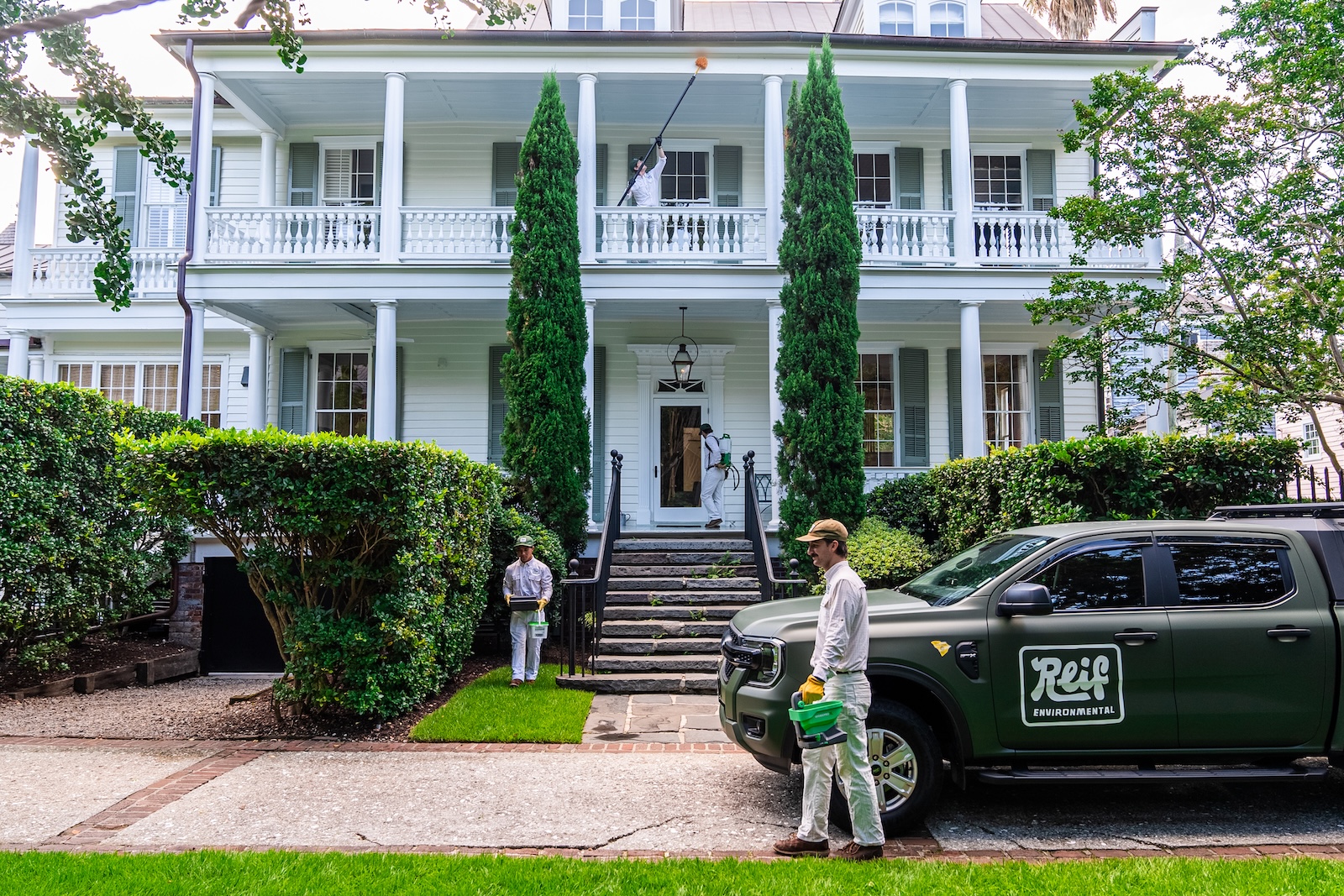
A quarterly visit isn't just repeating the same treatment four times a year — it adjusts for the season. That means exterior barrier treatment, checking and resealing common entry points, and shifting focus toward whatever is most active at that time of year: ants and spiders in spring, mosquitoes in summer, and rodents looking for shelter as it cools off.
Reif Environmental built Premium Quarterly Pest Control around how Charleston's pest pressure actually behaves — reach out and we'll walk through what a plan for your home and schedule would look like.