Why Sweeping Spider Webs and Wasp Nests Is an Important Part of Pest Control
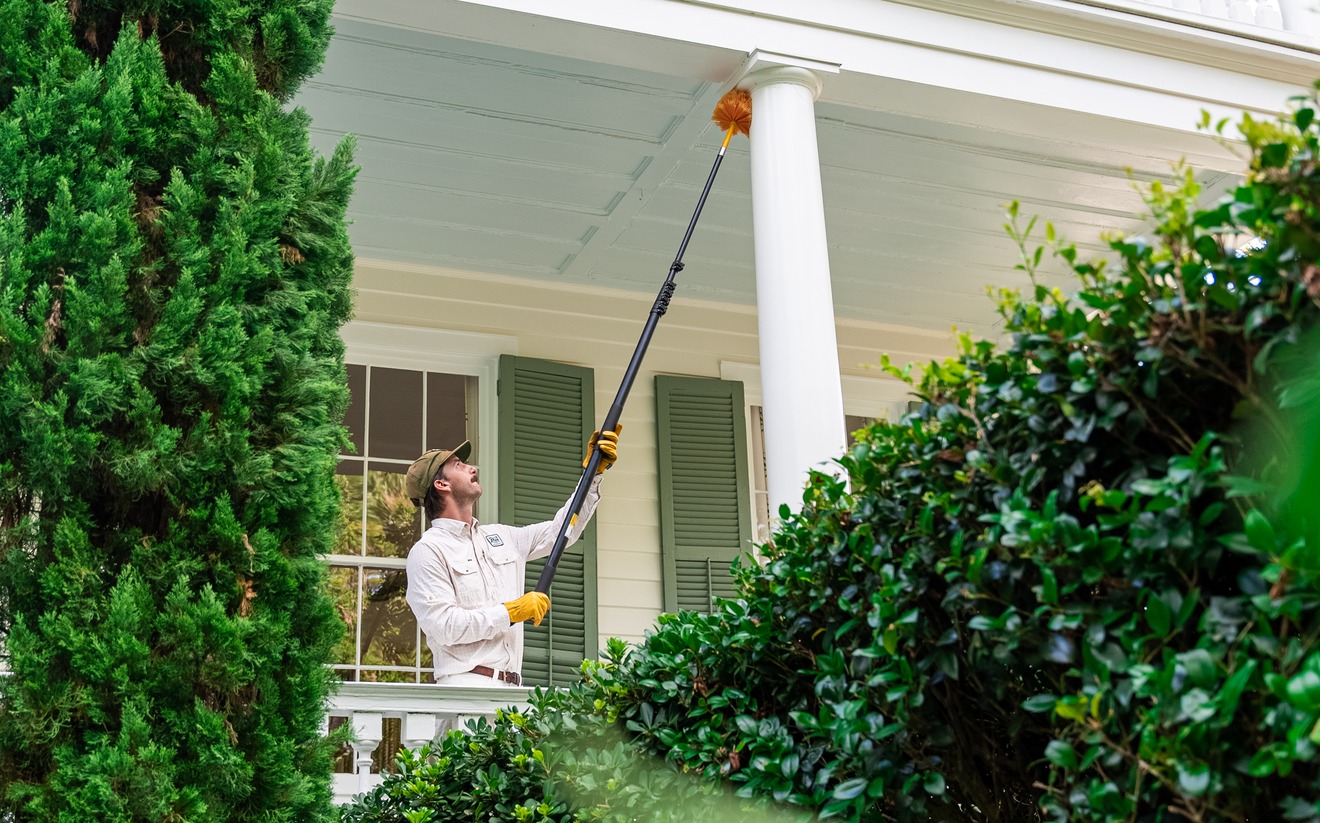
When most people think about pest control, they imagine spraying for insects around the home. But one of the most effective and often overlooked parts of pest prevention is something much simpler: physically removing spider webs and wasp nests from the property. At Reif Environmental, sweeping down webs and nests during service visits is a key part of protecting your home. This step may seem small, but it plays a major role in reducing pest pressure, preventing infestations, and keeping your home looking clean and well-maintained. 1. Removing Spider Webs Disrupts Spider Activity Spider webs are more than just something that collects dust around eaves and windows. A web is a spider’s hunting tool. It allows spiders to catch insects, feed, and continue living around your home. When webs are left in place: • Spiders continue catching food • They remain active on the structure • They are more likely to reproduce nearby By sweeping down webs, we disrupt the spider’s environment and force them to relocate. Regular removal greatly reduces the number of spiders that stay around the exterior of your home. 2. It Helps Prevent Future Pest Problems Spider webs often indicate something important: there are insects present that the spiders are feeding on. When we remove webs, we’re not just getting rid of spiders — we’re also: • Eliminating insect traps • Removing egg sacs • Interrupting the pest food chain This helps lower overall pest activity on the structure. 3. Wasp Nest Removal Prevents Colonies From Growing Small wasp nests can quickly turn into large colonies if left alone. Early in the season, nests may only contain a few wasps. But over time they can grow to house dozens or even hundreds of stinging insects. By removing nests during routine service visits we: • Stop colonies before they develop • Reduce the risk of stings • Prevent nests from expanding around entry points and outdoor living areas Early removal is one of the safest and most effective ways to control wasps around a home. 4. It Protects Entry Points Around the Home Spiders and wasps often build around places where insects gather or where they can find shelter. Common areas include: • Eaves and soffits • Window frames • Porch ceilings • Garage door frames • Exterior lighting • Corners of siding Sweeping these areas helps keep potential entry points clean and less attractive to pests. 5. It Keeps the Home Looking Clean and Maintained Beyond pest prevention, removing webs and nests greatly improves the appearance of a property. Spider webs can make even a well-maintained home look neglected. Regular removal helps maintain the clean look of: • entryways • patios • porch ceilings • outdoor lighting fixtures It’s a simple step that makes a noticeable difference. 6. It Makes Treatments More Effective Physical removal of webs and nests also improves the effectiveness of pest control treatments. When debris and webs are cleared away, products can reach surfaces more evenly and work more effectively. This combination of mechanical removal and treatment provides better long-term results. A Small Step That Makes a Big Difference Sweeping spider webs and removing wasp nests might seem like a small detail, but it is a critical part of comprehensive pest control. By disrupting pest habitats, preventing colonies from forming, and keeping the exterior of the home clean, this step helps maintain a safer and more comfortable environment around your property. At Reif Environmental, we include this service as part of our regular visits because effective pest control isn’t just about treatment — it’s about eliminating the conditions that allow pests to thrive in the first place.
Why Sweeping Spider Webs and Wasp Nests Is a Critical Part of Pest Control
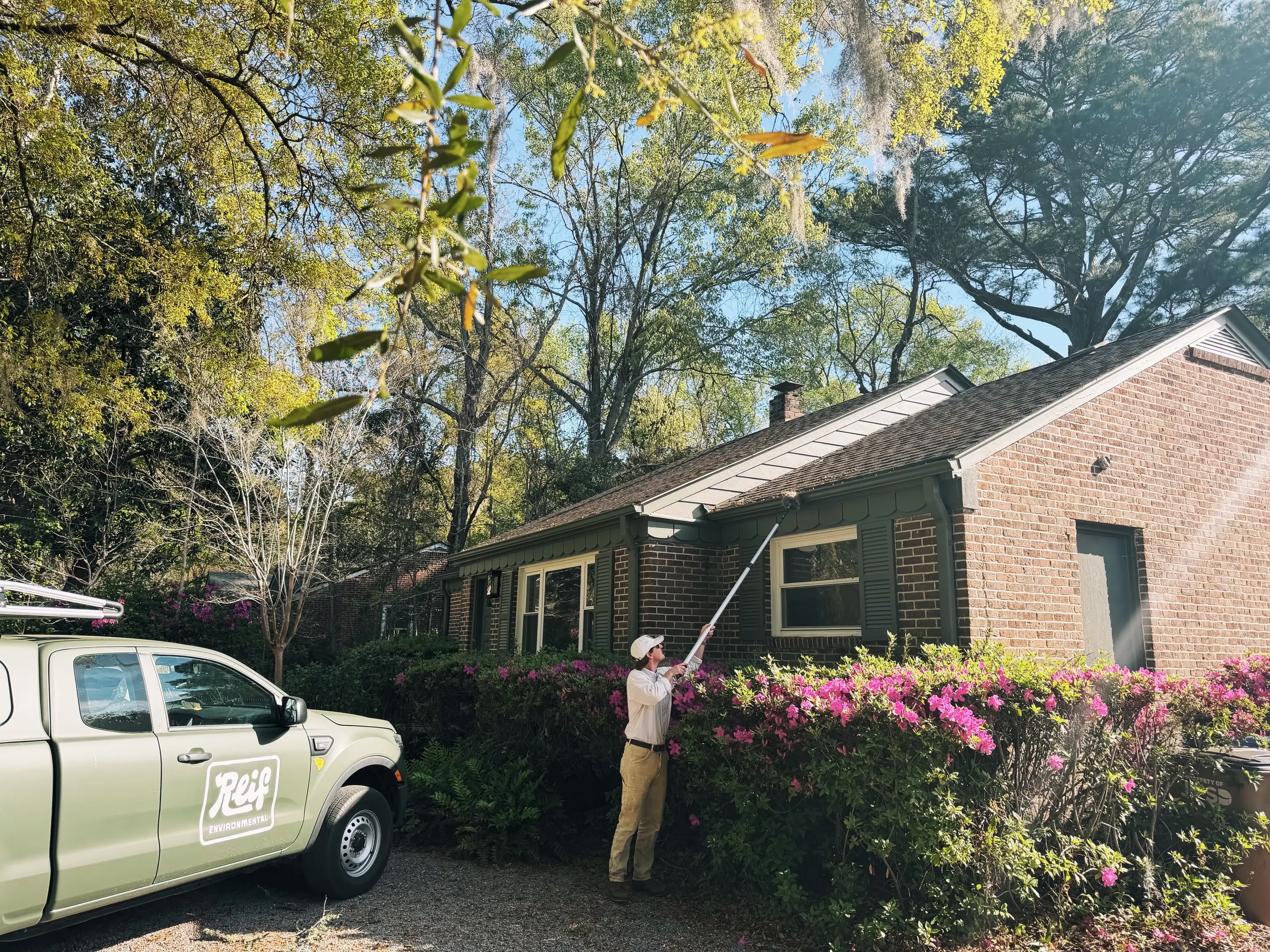
When most people picture pest control, they think of sprays and treatments. But one of the most effective — and most overlooked — steps in protecting your home happens before any product is even applied: physically removing spider webs and wasp nests from the exterior of your property.
At Reif Environmental, we sweep down webs and remove nests on every single service visit. It's not an afterthought — it's a core part of how we protect Lowcountry homes.
Spider Webs Are More Than a Cosmetic Problem
A spider web isn't just unsightly. It's an active hunting tool. Every web left in place allows a spider to keep catching insects, feeding, and reproducing near your home. Over time, a few spiders become many — and their prey, smaller insects, signals a broader pest pressure problem on your property.
When we sweep down webs, we're not just cleaning. We're disrupting the spider's ability to survive and reproduce around your home, removing egg sacs before they hatch, and eliminating the insect traps that keep pest populations cycling near your foundation, eaves, and entry points.
Wasp Nests Grow Fast If You Let Them
A paper wasp nest that starts with a single queen in early spring can house dozens of wasps by midsummer. Once a colony is established, it becomes increasingly difficult — and risky — to remove. Wasps defend their nests aggressively, and nests built inside wall voids or under soffits can go unnoticed until the colony is fully developed.
By removing nests at their earliest stages during routine service visits, we stop colonies before they ever reach that point. This protects your family from stings and prevents nests from expanding into areas that are harder and more costly to treat.
It Protects the Areas That Matter Most
Spiders and wasps don't build randomly — they target specific areas that offer shelter, proximity to food sources, and protection from the elements. The most common spots include roof eaves and soffits, window and door frames, porch ceilings, garage door frames, exterior lighting fixtures, and the corners of siding.
These are also the areas where pest entry into your home is most likely. Keeping them clean and clear removes harborage sites and makes our chemical treatments more effective by ensuring products reach surfaces without being blocked by debris and webbing.
It Makes Every Treatment More Effective
Web and nest removal isn't just good housekeeping — it directly improves the performance of our pest control applications. When surfaces are clear, treatments adhere and penetrate more evenly, resulting in better coverage and longer-lasting protection. Combining mechanical removal with targeted chemical application consistently outperforms treatment alone.
The Results You Can See and Feel
Beyond pest prevention, regular web removal makes a real difference in how your home looks. Spider webs collect dust, debris, and dead insects — and they accumulate fast on Lowcountry homes, especially around entryways, porch ceilings, and outdoor lighting. Keeping these areas swept down maintains the appearance of a well-cared-for home and reflects the level of care we bring to every visit.
Effective pest control isn't just about what we apply. It's about removing the conditions that allow pests to establish themselves in the first place. Sweeping webs and removing nests is a small step that makes a big difference — and it's one we take seriously on every visit. Learn more about our pest control services or see how we're serving homeowners on Folly Beach and across the Lowcountry.
Reif Environmental proudly serves James Island, Mount Pleasant, Johns Island, West Ashley, Downtown Charleston, Folly Beach, Sullivan's Island, Kiawah, Seabrook, Summerville, and North Charleston.